
When they announced the short list of The Best Foreign Film for Oscars this year, a national euphoria hit Facebook. It was one of those moments, when everyone felt proud. “Theeb” reached the Oscars, a Jordanian film that has been gaining praise world wide, winning awards here and there and demonstrating how far the film industry in Jordan has gone.
We can make quality films, Nadine Toukan believed, and she delivered. Jordan’s film industry is still in its infantile stage. It was started merely 10 years ago with a governmental plan to establish “The Royal Film Commission”, which was part of a national strategic plan to create a creative industry that would build on the energy of the young population in the Kingdom. Nadine joined “The Royal Film Commission” at the time with a mandate to search and develop local talents in the film industry and she did an amazing job; Today there are hundreds of Jordanian talents carving their way in an industry that is yet to mature. Nadine didn’t only that, but also topped herself by showing everyone that it is possible to make a Jordanian film and pioneered the scene by producing the much loved “Captain Abu Raed” in 2008, followed up by “When Monaliza Smiled” in 2012, and finally the globally celebrated Oscar nominated “Theeb”.
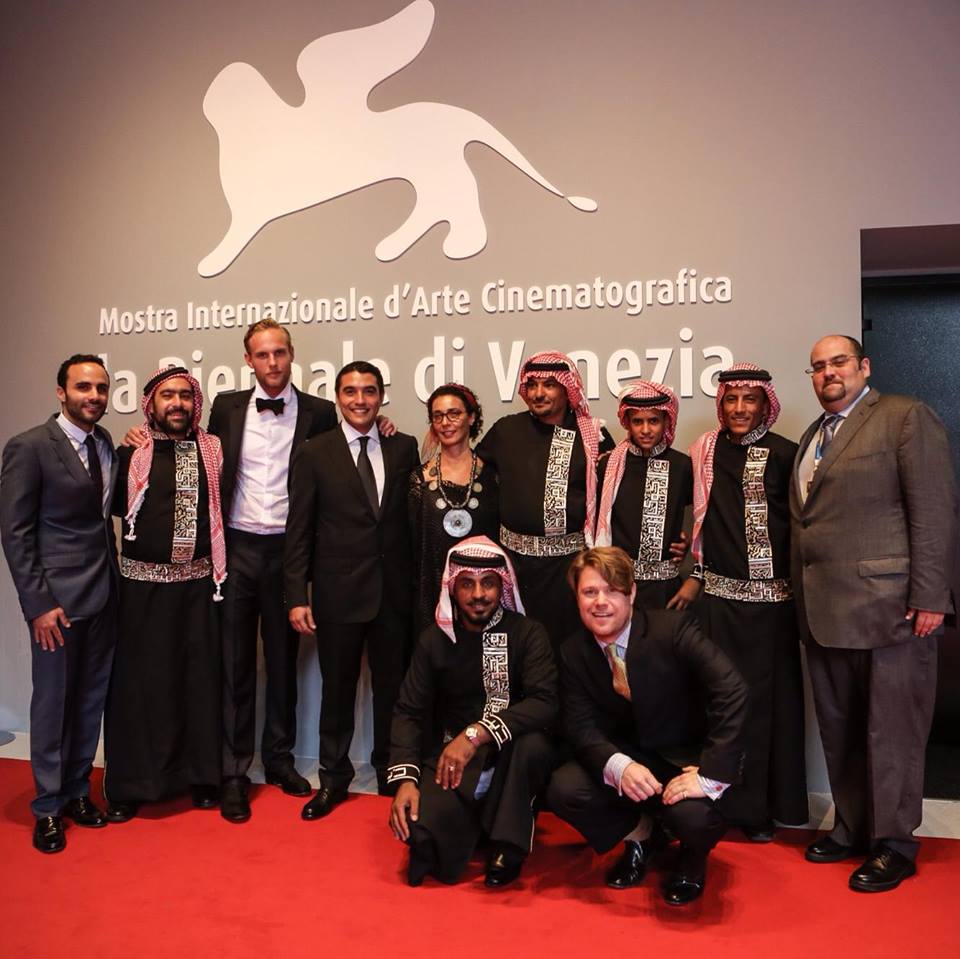
I am so proud of have the chance of interviewing Nadine and ask her the following:
 Nadine: I’m generally fed up with a few things: “We can’t, it won’t work, there’s no money, who cares…” Having our stories owned by others, and us almost always bothered at how they end up being told. Defeatist attitudes. Entitlement. Waiting for Godot. I’ve always lived to the tune of, “you want it, go will it into existence”. So in part, the power of imagination pull. Not driven by a major strategic plan, rather through a series of serendipitous events and situations.
 Nadine: Listening to your plan for the book and that you needed a job, and reacting in trying to connect you with opportunities, is the result of my built in producer skills. That’s just how I’m wired. Filmmaking is one of the most collaborative industries. There’s no industry without the tribe. We’re used to having directors, actors, producers, and at times cinematographers, front it, but none of us would get far without line producers, ADs, PAs, coordinators, art directors, and the long list of people needed to be able to go the distance, including our generous backers and investors. It’s easy to get caught up in the hero syndrome. I find that scary, and it stops us from understanding through the necessary wider lens. In this industry, there are no heroes, there are heroic collaborations. On Theeb, Naji stood on the shoulders of giants to be able to direct the film this way. We are indebted to each and every single person who said yes at any given stage of this production. Theeb is possible thanks to many people who came together to raise the bar, and simply didn’t settle.
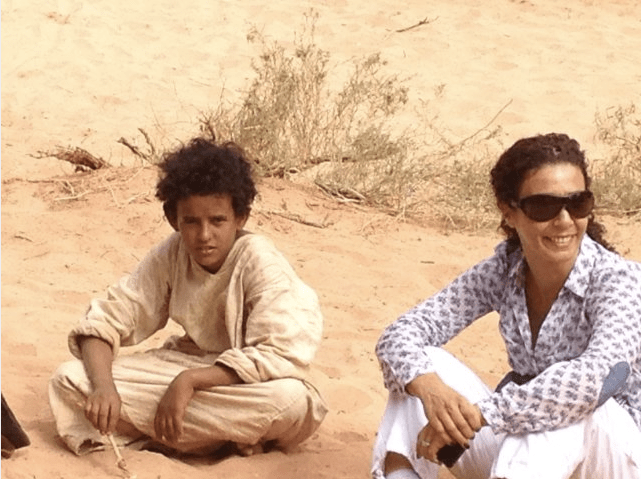

Nadine: A lot of hard, good work went into the film by a large group of extraordinary people. I knew we had something special. The backstory of which is even more special. When Bassel pitched the project to me back in 2010, it was “a bedouin short film”. I remember looking at him curiously, smiling, wondering where this may go. Then he said he had passed it on to Naji for script notes. Bigger smile. Two remarkably talented and interesting people were about to collaborate. The beginning of an excellent equation. And when we started making creative decisions on how we were going to approach the production, it was clear we had something authentic.
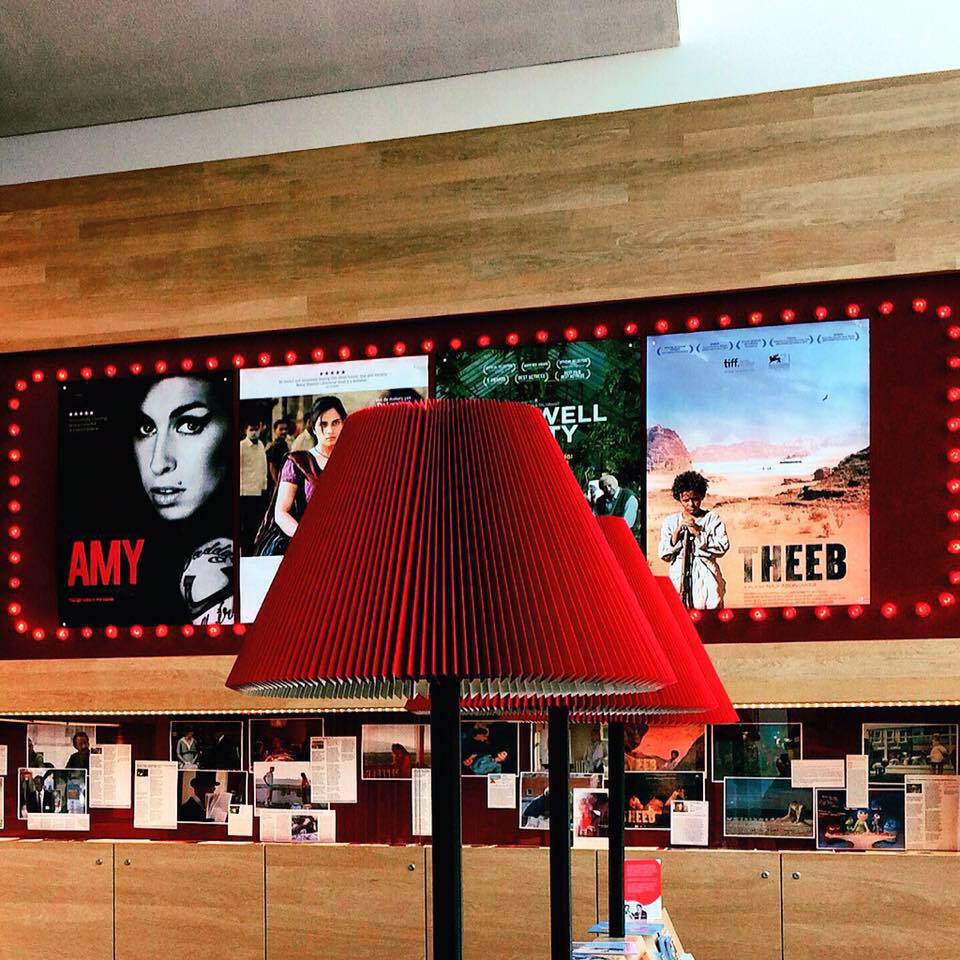
 Nadine: The RFC has done some excellent work over instances, but no where near enough. I say this as someone who once worked there when it first started, and say it with a lot of love. I don’t think the global financial crisis is a valid excuse. Sounds like a good cover. This is the time to be brave and aggressive, and think of new types of collaborations for growth. I’m grateful to the RFC for giving us a loan from a modest fund they had, to make Fadi Haddad’s feature, When Monaliza Smiled, the year we planned. That enabled us to get on with it without delays. It was produced on a shoestring budget, and ended up resonating with diverse local audiences. Prime Cinema, Amman, kept the film showing for over 9 weeks. The best kind of cinema partners a local film could hope for. Sometime ago, Ruba AlAyed (now with MBC) handled marketing for the RFC, and one of the slogan’s she worked within back then was: Anything’s possible in Jordan. I’d like them to deliver on that. It means getting unstuck. The RFC may have to step way out of its comfort zone, and radically change the way they’re doing the work.


 Fadi Zaghmout فادي زغموت
Do you have something to say?